Feature
SDG Landing Experience
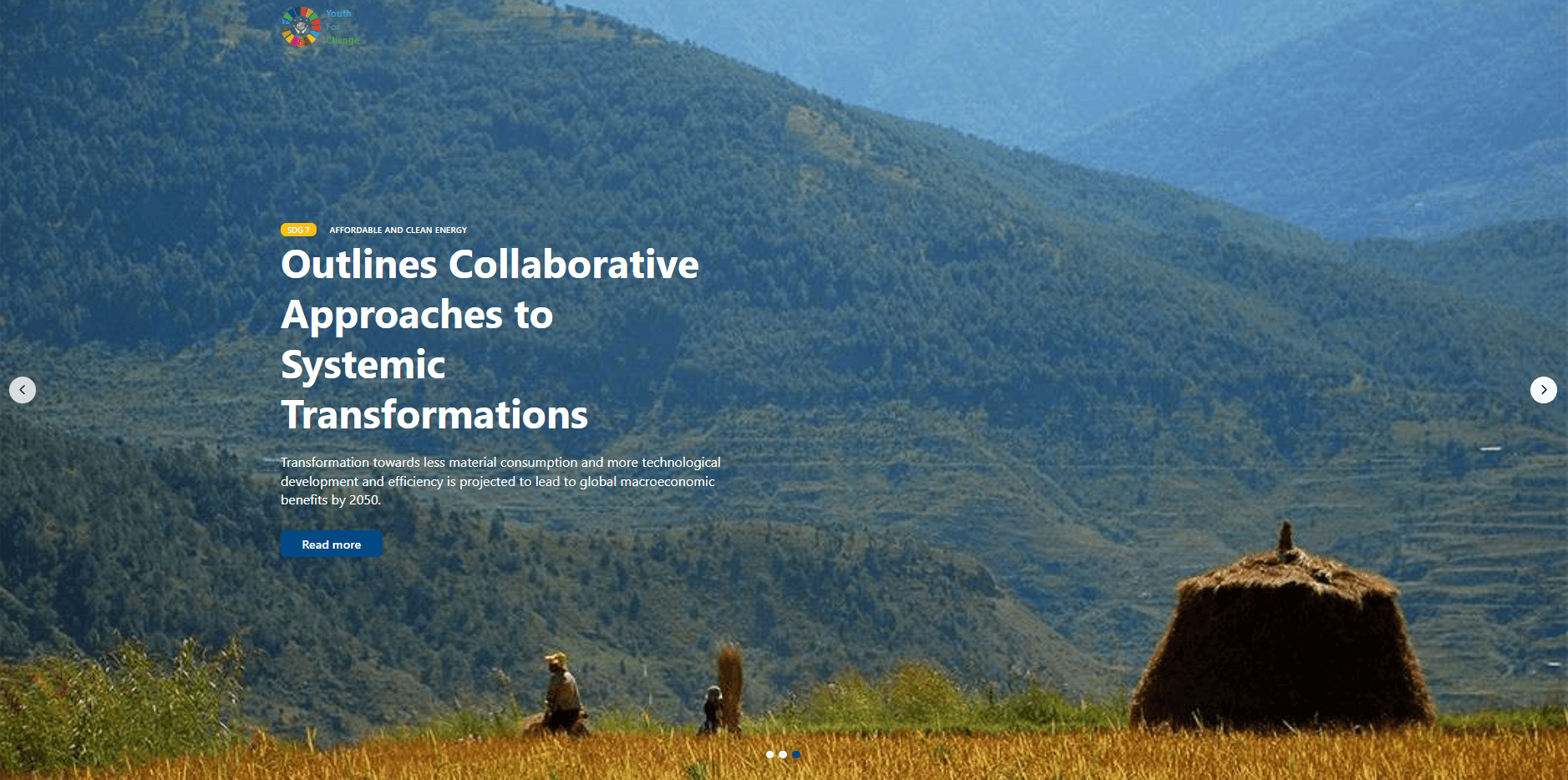
Homepage with hero slider, SDG carousel, impact statistics, latest posts, sticky navigation, and mission-oriented sections.
Project 02 / 2026
Year
2026
Role
Frontend Developer
Technologies
Next.js, TypeScript, Notion, Tailwind CSS, SEO
About this project
Youth for Change is a Next.js platform for communicating the 17 United Nations Sustainable Development Goals through a landing page, SDG learning pages, team storytelling, a flipbook, and a Notion-backed blog system.
Overview
Youth for Change turns SDG education into a structured digital experience. The homepage introduces the initiative, the SDG section explains all 17 goals with official color mapping, and the blog system lets the team publish updates from Notion without changing code.
My Role
Built the Next.js application structure, reusable UI sections, SDG data model, Notion content pipeline, blog routes, theme behavior, and responsive layouts. The work balanced editorial clarity with maintainable frontend architecture.
Key Features
06 Items
Feature
Homepage with hero slider, SDG carousel, impact statistics, latest posts, sticky navigation, and mission-oriented sections.
Feature
Notion API integration maps database pages into typed blog cards and detail pages with markdown conversion.
Feature
Blog posts generate static params and metadata for fast loading, shareable pages, and better search visibility.
Feature
Blog list supports SDG badge filters through URL query state so readers can explore content by goal.
Feature
Typography, brand colors, light/dark mode, and official UN SDG colors are centralized in documented style files and CSS tokens.
Feature
About page presents project members and mission, while the flipbook route embeds external campaign material.
Tech Stack
Application
Content
Interface
The Challenge
The site had to feel like a campaign platform, a learning hub, and a blog at the same time. Content needed to be easy for non-developers to update while still supporting SEO, SDG filtering, official color usage, and consistent responsive layouts.
The Solution
Used Notion as the editorial source, converted pages into typed blog models, and kept SDG metadata centralized. The frontend uses reusable sections and token-driven styling so campaign pages, SDG cards, and blog content stay visually aligned.
Results
04 Metrics
Impact
17
Impact
5
Impact
1
Impact
2
Lessons Learned
01
Editorial platforms stay maintainable when content, metadata, and visual tokens are separate concerns.
02
URL-based filters make content discovery shareable and easier to reason about than hidden component state.
03
Documenting typography and color decisions reduces design drift as new pages are added.
Screenshots
Swipe or use the arrows.
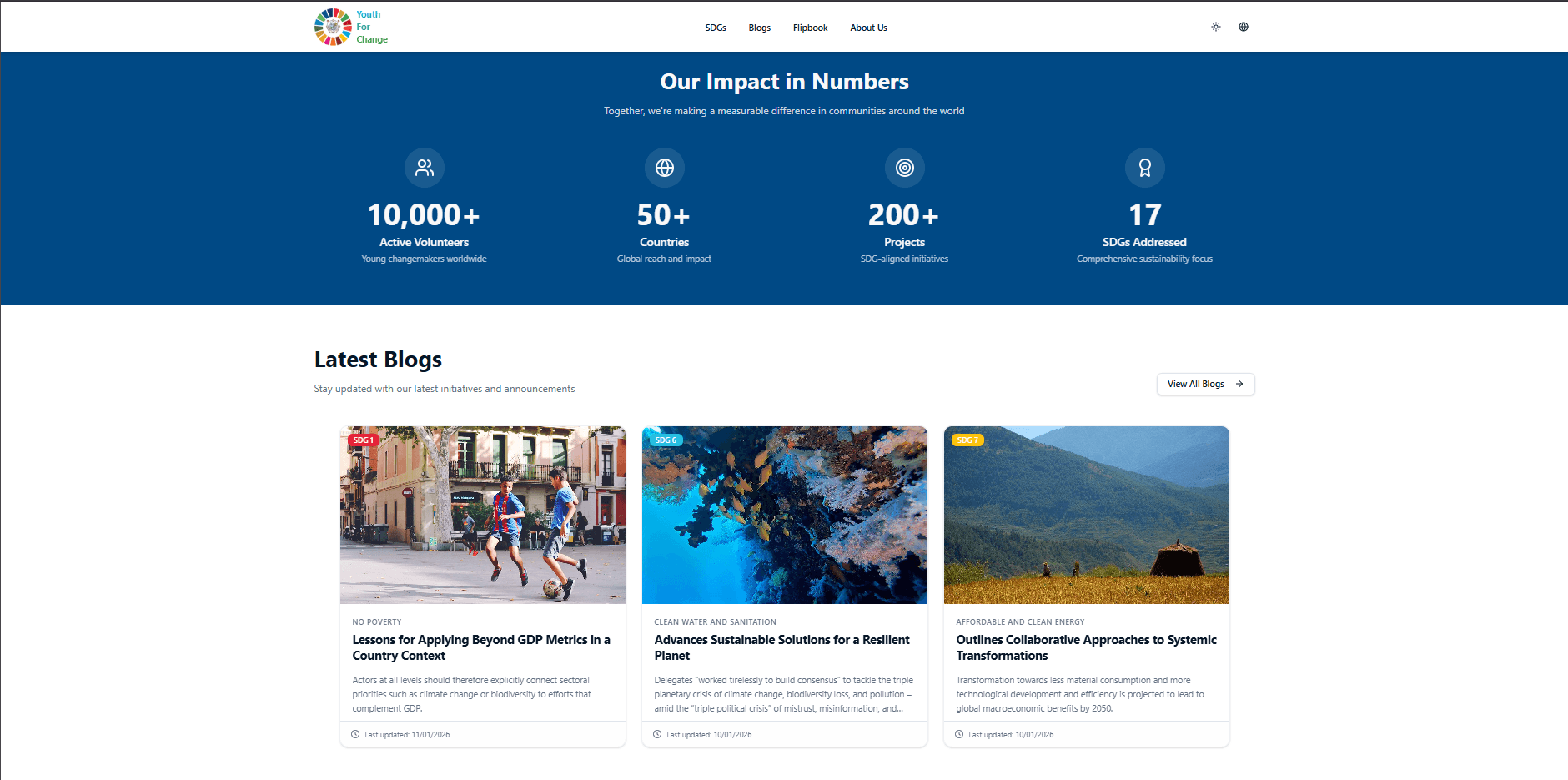
01 / SDG Homepage
Campaign landing page with rotating stories, SDG carousel, impact metrics, and recent Notion posts.
01 / 06
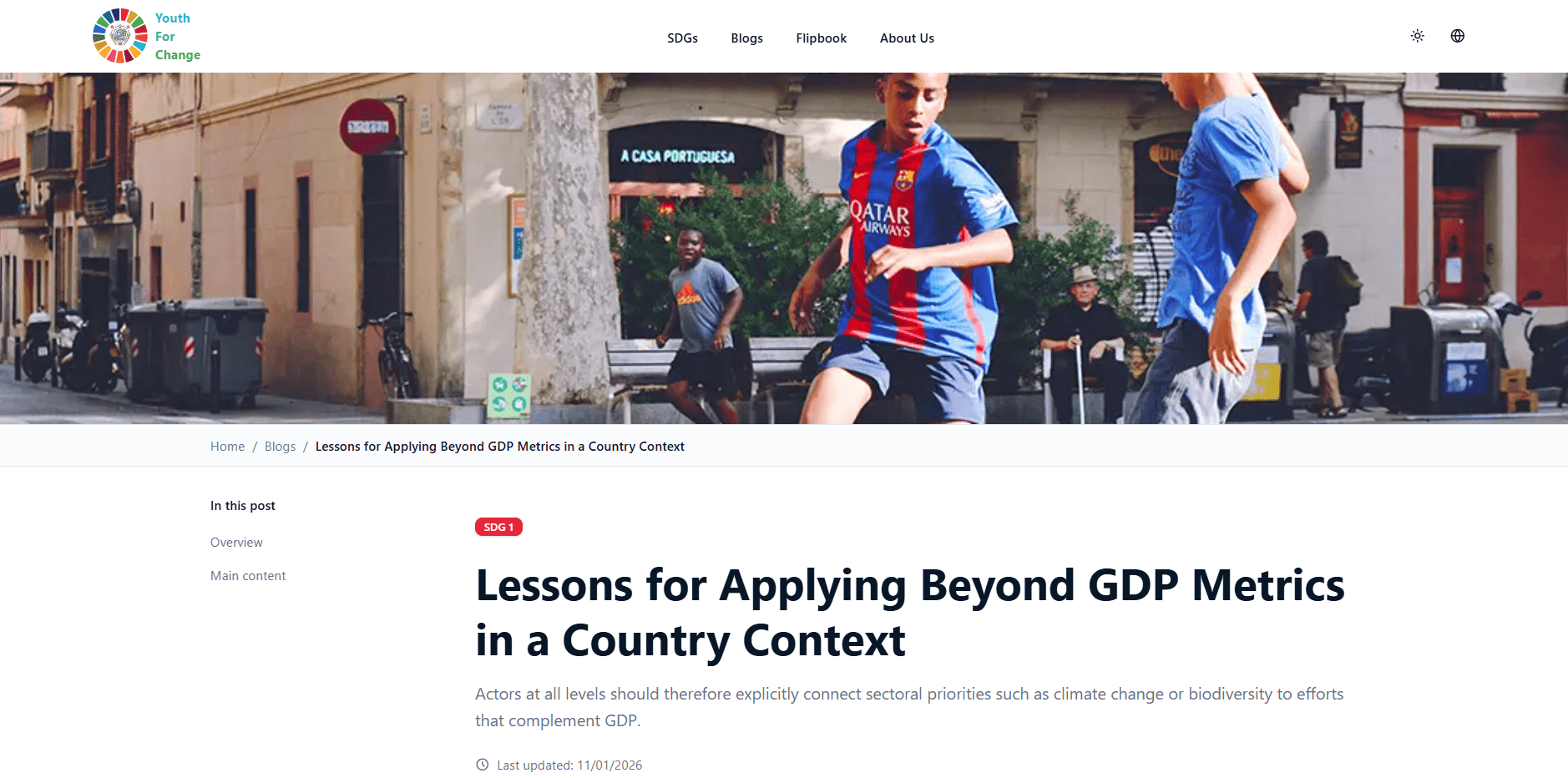
02 / Blog Detail
SEO-ready article page with cover image, breadcrumbs, SDG badge, metadata, and markdown content.
01 / 06
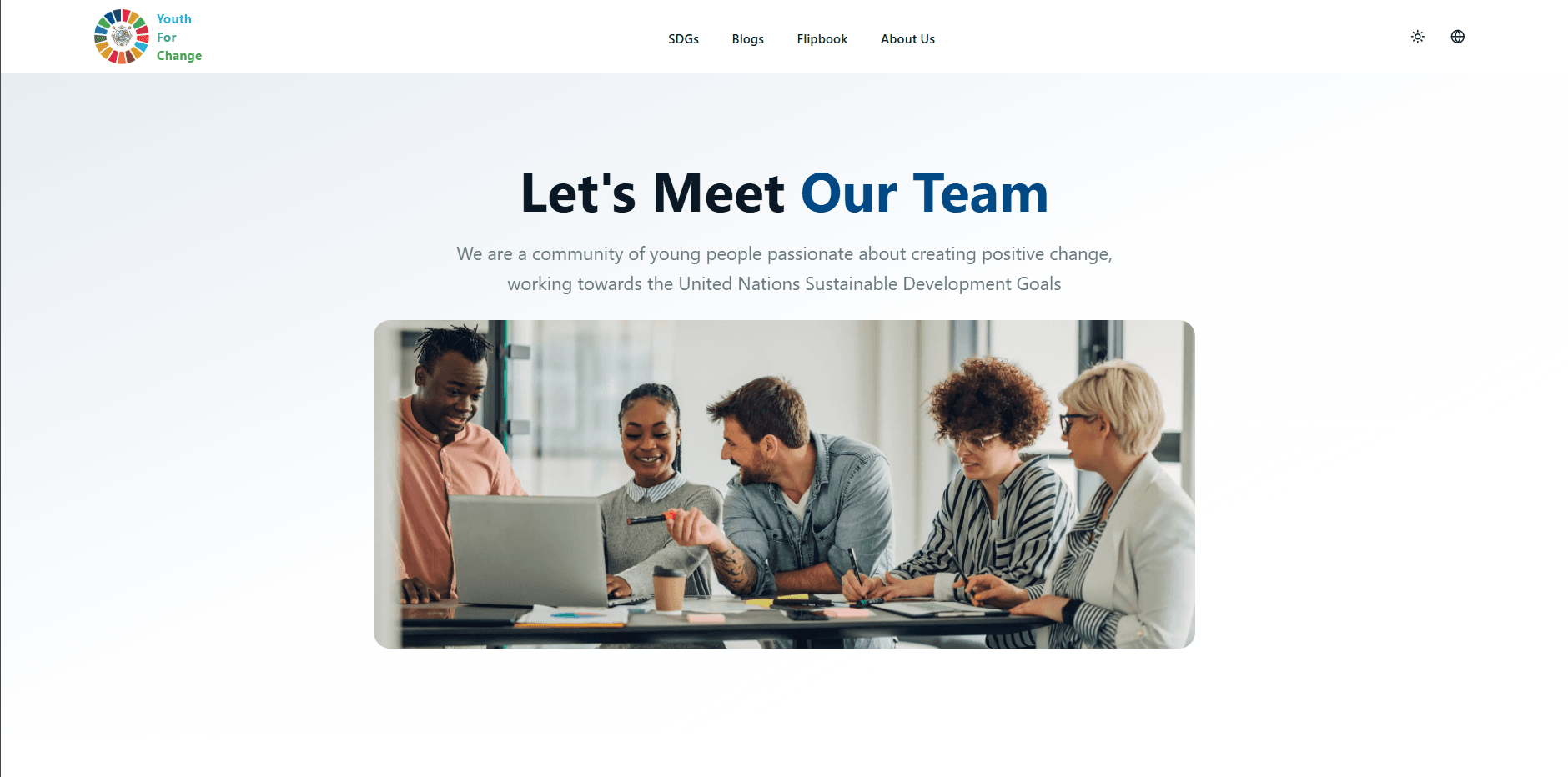
03 / About Page
Informational page about the organization, its mission, and team members.
01 / 06
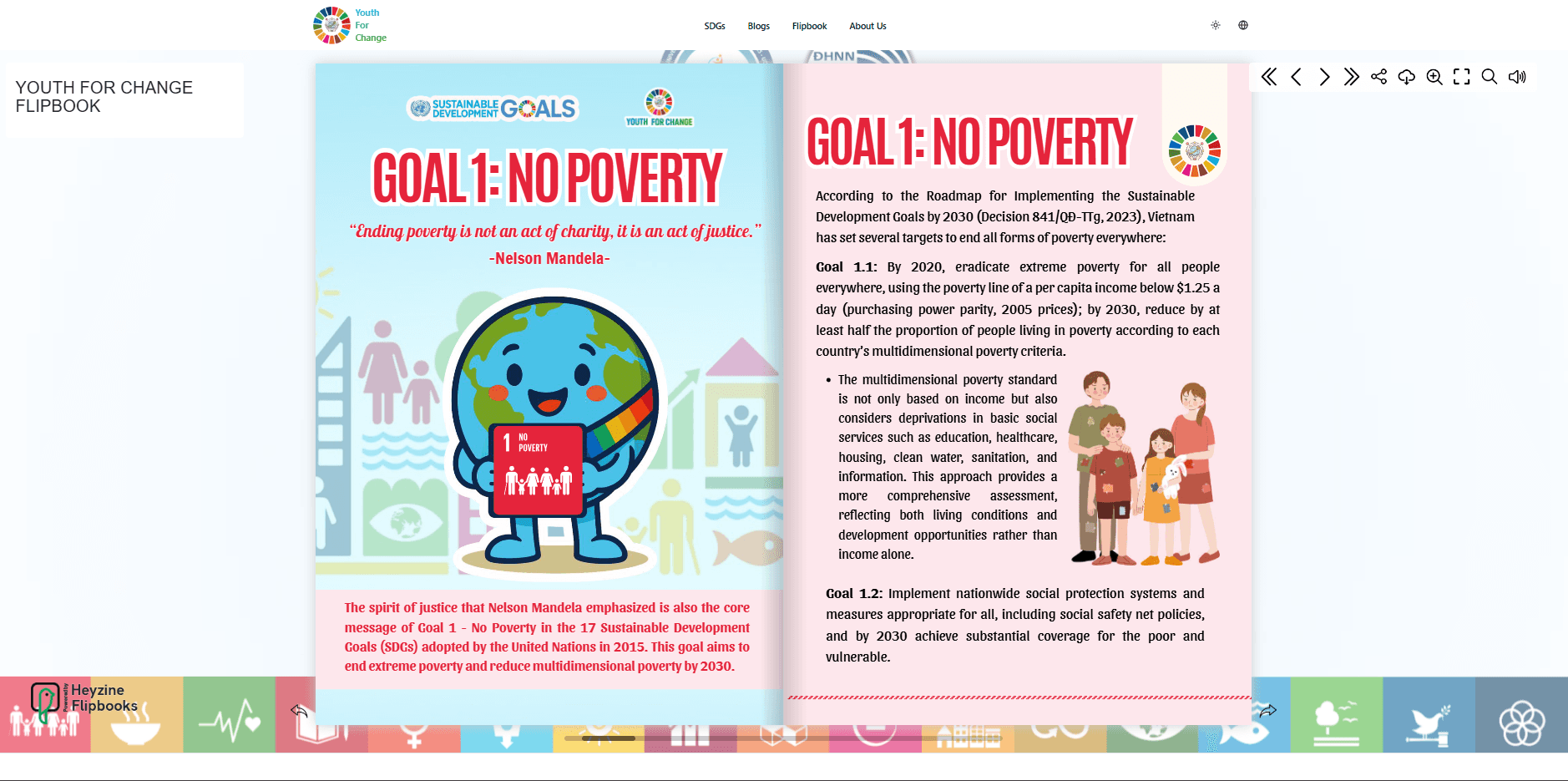
04 / Flipbook Page
Interactive flipbook for showcasing campaign materials and impact stories.
01 / 06
05 / SDG Homepage
Campaign landing page with rotating stories, SDG carousel, impact metrics, and recent Notion posts.
01 / 06
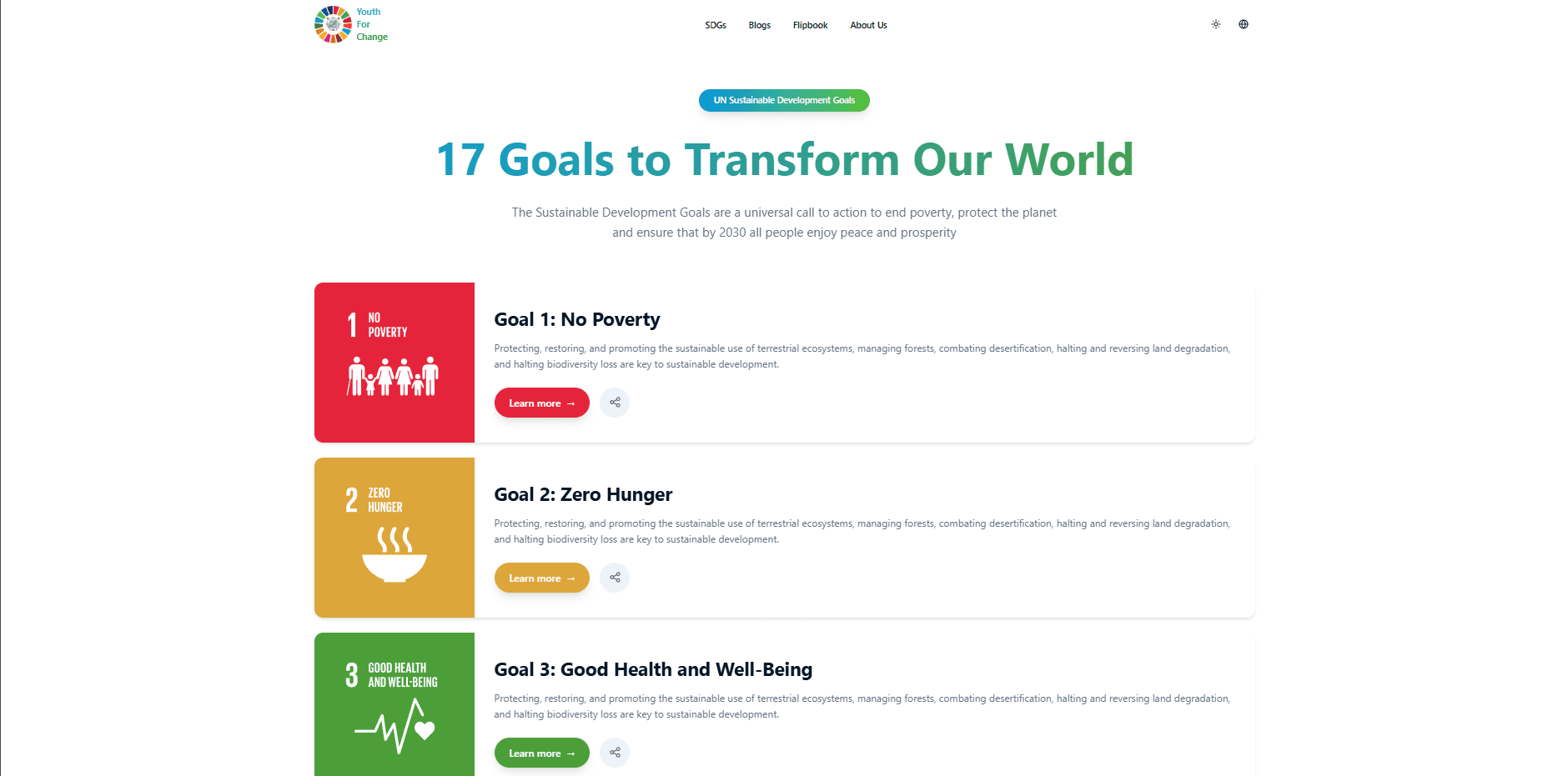
06 / SDGs Categories
Dedicated pages for each SDG with official color mapping, detailed descriptions, and related content.
01 / 06
Links
Related Work
03 Cases
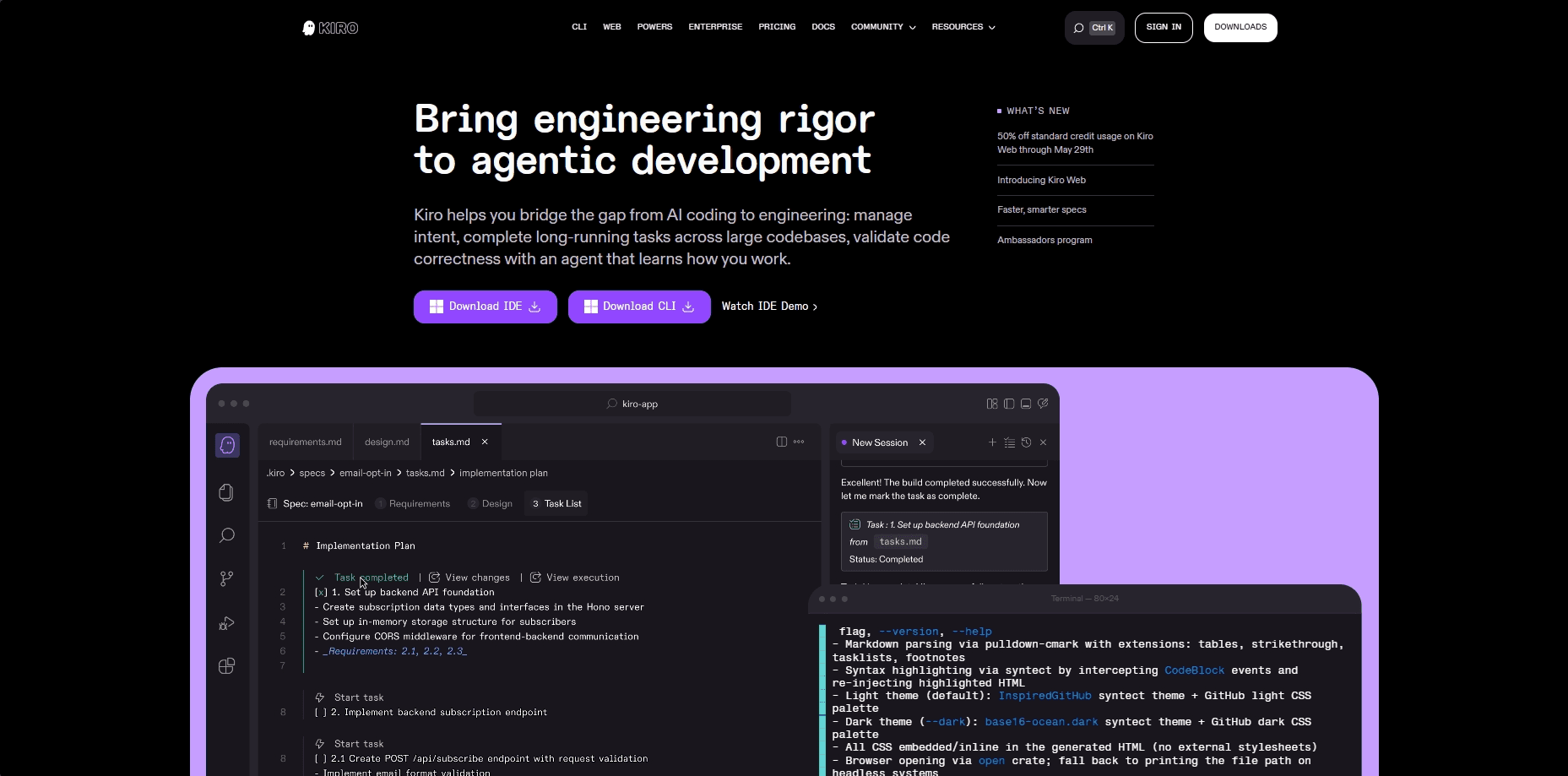
Contribution to Kiro, an agentic IDE and CLI for spec-driven development, hooks, powers, MCP integrations, and codebase-aware AI workflows.
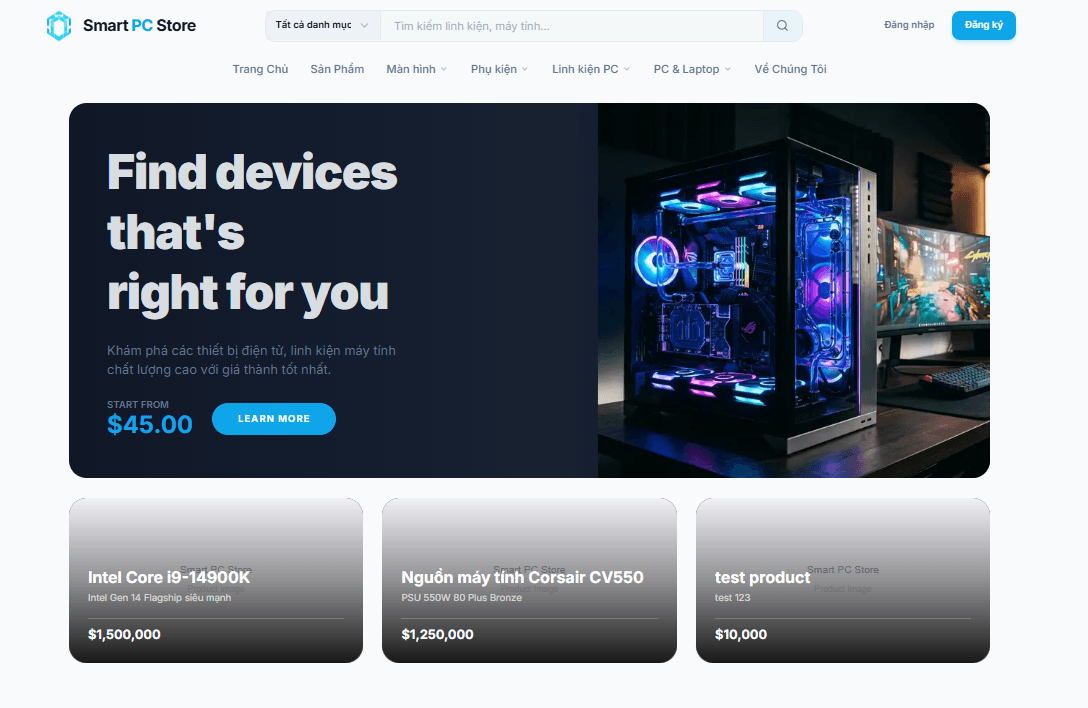
Full-stack PC hardware commerce platform with admin operations, JWT auth, QR checkout, analytics, AI chat, and price forecasting.
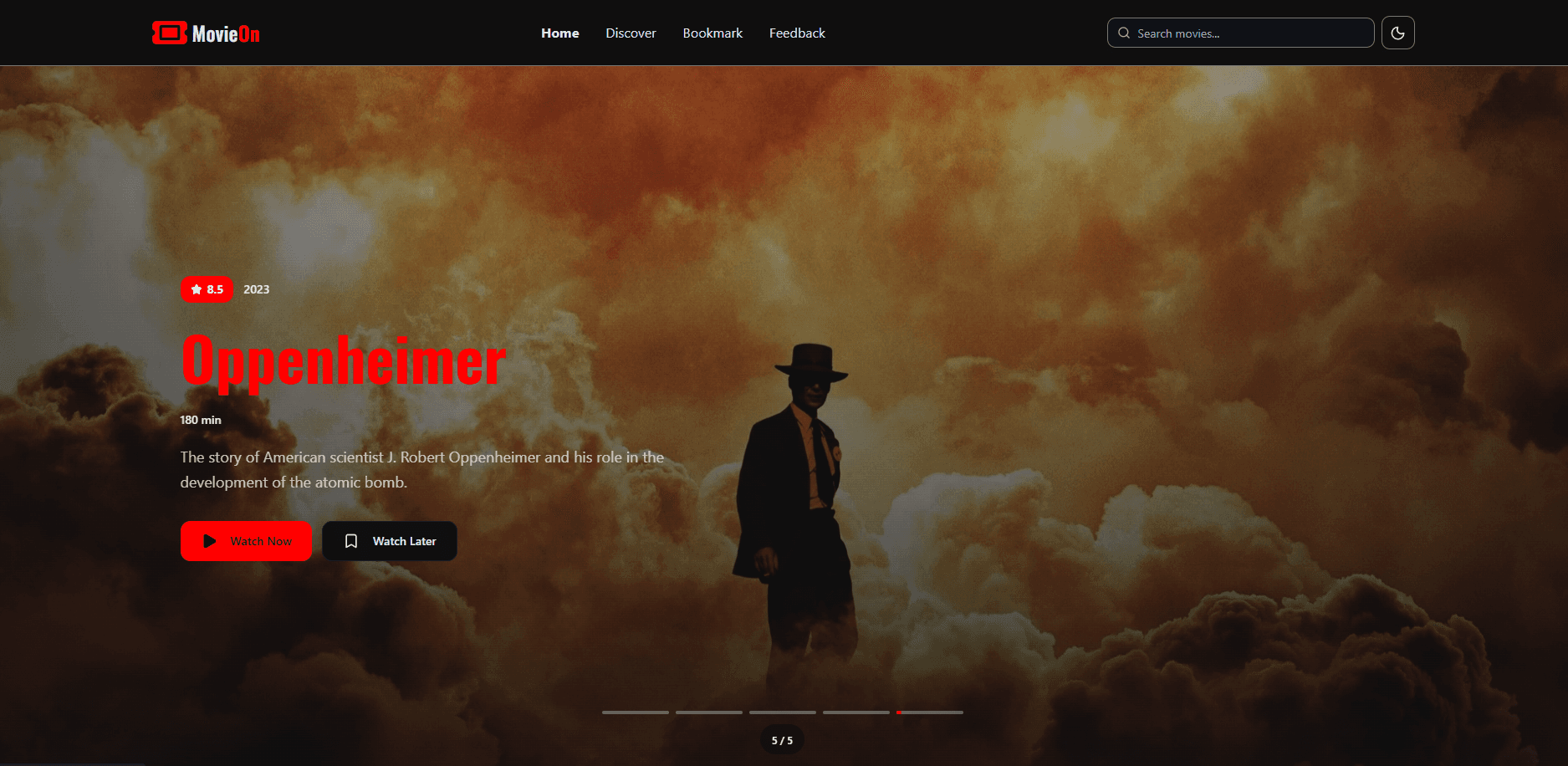
Movie browsing interface built with Next.js 15, Supabase, Tailwind CSS v4, semantic theme tokens, and accessible UI primitives.